The Glory Part 2: Ending Explained, Hidden Symbols, and Why the World Couldn't Stop Watching
A deep dive into The Glory's ending, its biggest twists, and how a dark revenge story became one of Netflix's most-watched Korean dramas ever.
⚠️ Spoiler Warning. This post discusses major plot twists and the ending of The Glory. If you have not finished the show, read Part 1 of this series first.
A Plan Twenty Years in the Making
If you have already watched The Glory, you know Moon Dong-eun’s revenge was never about one big, dramatic moment. It was slow. It was patient. And that patience is exactly what made the ending so satisfying.
Let’s break down how everything came together, and why this show hit so hard for viewers around the world.
How Dong-eun’s Plan Actually Worked
Dong-eun’s strategy relied on placing herself close to her enemies and using their secrets, weaknesses, and distrust of one another against them. She became a homeroom teacher at the elementary school attended by Ye-sol, the daughter of her main bully, Park Yeon-jin. That move gave her a believable way to enter Yeon-jin’s family life and pressure her through the person she cared about most.
From there, Dong-eun built a quiet network of allies. Joo Yeo-jeong, a doctor with his own painful past, became both her closest ally and the person who understood her most. Kang Hyeon-nam, a woman trapped in an abusive marriage, agreed to help Dong-eun gather information in exchange for a way to protect her own daughter.
Piece by piece, Dong-eun exposed the truth about her old bullies: Park Yeon-jin, Jeon Jae-jun, Lee Sa-ra, Choi Hye-jeong, and Son Myeong-o. Each of them had spent years hiding behind money and status. Dong-eun took that protection away one relationship, one secret, and one betrayal at a time.
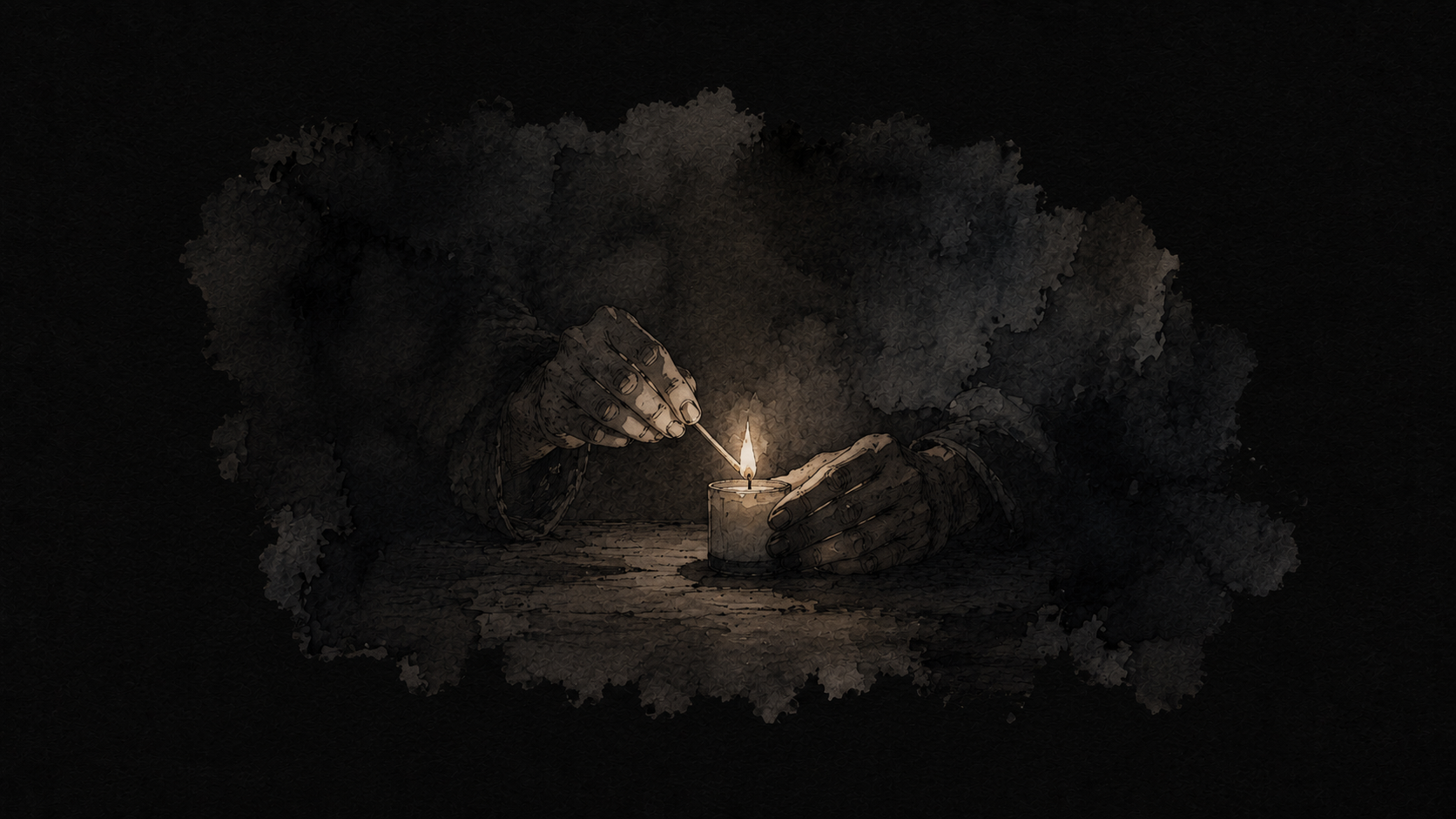 Fire and light became powerful symbols throughout the series.
The Twist Nobody Saw Coming
One of the show’s biggest surprises involves the death of Son Myeong-o. For most of the story, it looks like Park Yeon-jin killed him herself, and even Yeon-jin believes she is the one responsible.
The truth is more complicated. Yeon-jin did attack him, but it was actually Kim Gyeong-ran, a store employee who had also suffered under the same group of bullies years earlier, who delivered the final blow. For much of the story, Yeon-jin believes she killed Myeong-o and initially thinks the crime has been successfully covered up, unaware that someone else’s hidden pain was tangled up with her own guilt the entire time.
This twist mattered because it showed something the show cared about deeply: bullying rarely stays contained to just one victim. Its damage spreads outward for years, quietly shaping the lives of people who were never even part of the original story.
How the Ending Plays Out
By the final episodes, Dong-eun’s plan reaches its target. Park Yeon-jin is eventually convicted of murder, both for killing Yoon So-hee years earlier and for Son Myeong-o’s death, and is sent to prison. Her husband, Ha Do-yeong, learns the truth, divorces Yeon-jin, and moves to the United Kingdom with their daughter, Ye-sol, to protect her.
Here is the part that surprised many viewers: after fulfilling her revenge, Dong-eun plans to end her own life. It is not Yeo-jeong who stops her, but his mother, who pleads with Dong-eun to keep living, telling her that Yeo-jeong’s own life depends on it. Months later, Dong-eun and Yeo-jeong reconcile, and the two choose to move forward together by turning their attention to Yeo-jeong’s unfinished revenge against Kang Yeong-cheon, the man who murdered his father. Both take jobs at the prison where Yeong-cheon is being held, Dong-eun as a teacher and Yeo-jeong as a doctor.
That final choice turns The Glory from a simple revenge story into something a little more complicated. Dong-eun’s story stops being only about closing one chapter of pain. It becomes about a new one just beginning.
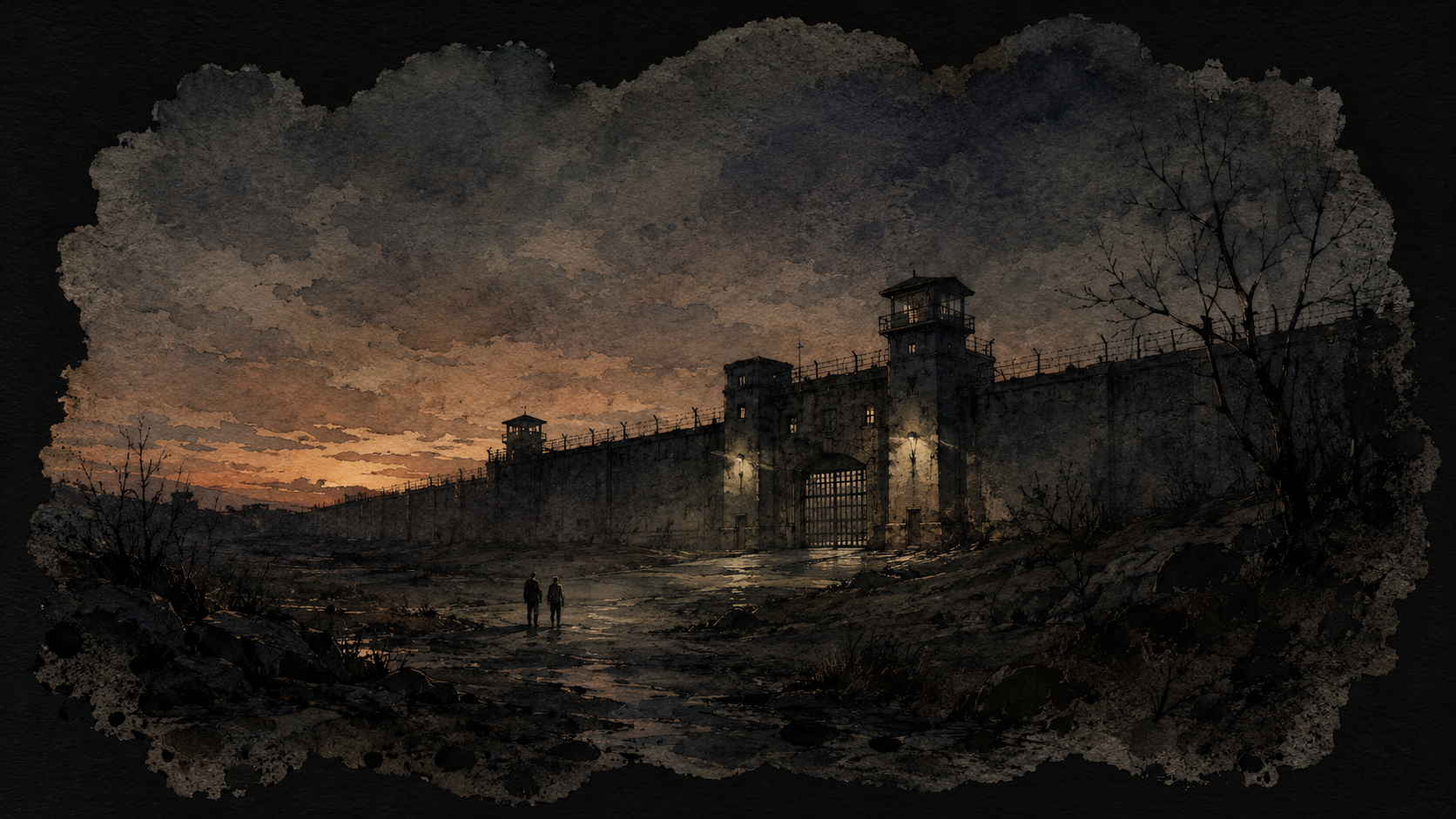 Dong-eun’s story does not end with closure. It ends with a new chapter.
▶ Watch The Glory Ending Explained Discussion on YouTube
Symbols Worth Noticing
The Glory uses a few quiet visual details again and again:
- Scars: Dong-eun’s physical scars, caused by a curling iron during the bullying, are a constant reminder that some wounds never fully disappear, even after revenge.
- Fire and water: Both elements show up repeatedly around key emotional turning points, often suggesting destruction paired with the possibility of cleansing or starting over.
- The school itself: The story keeps returning to school settings, framing them less as places of learning and more as spaces where cruelty was allowed to grow unchecked.
None of these symbols are explained out loud. The show trusts its audience to notice them on their own, which is part of why fans enjoyed picking the story apart online.
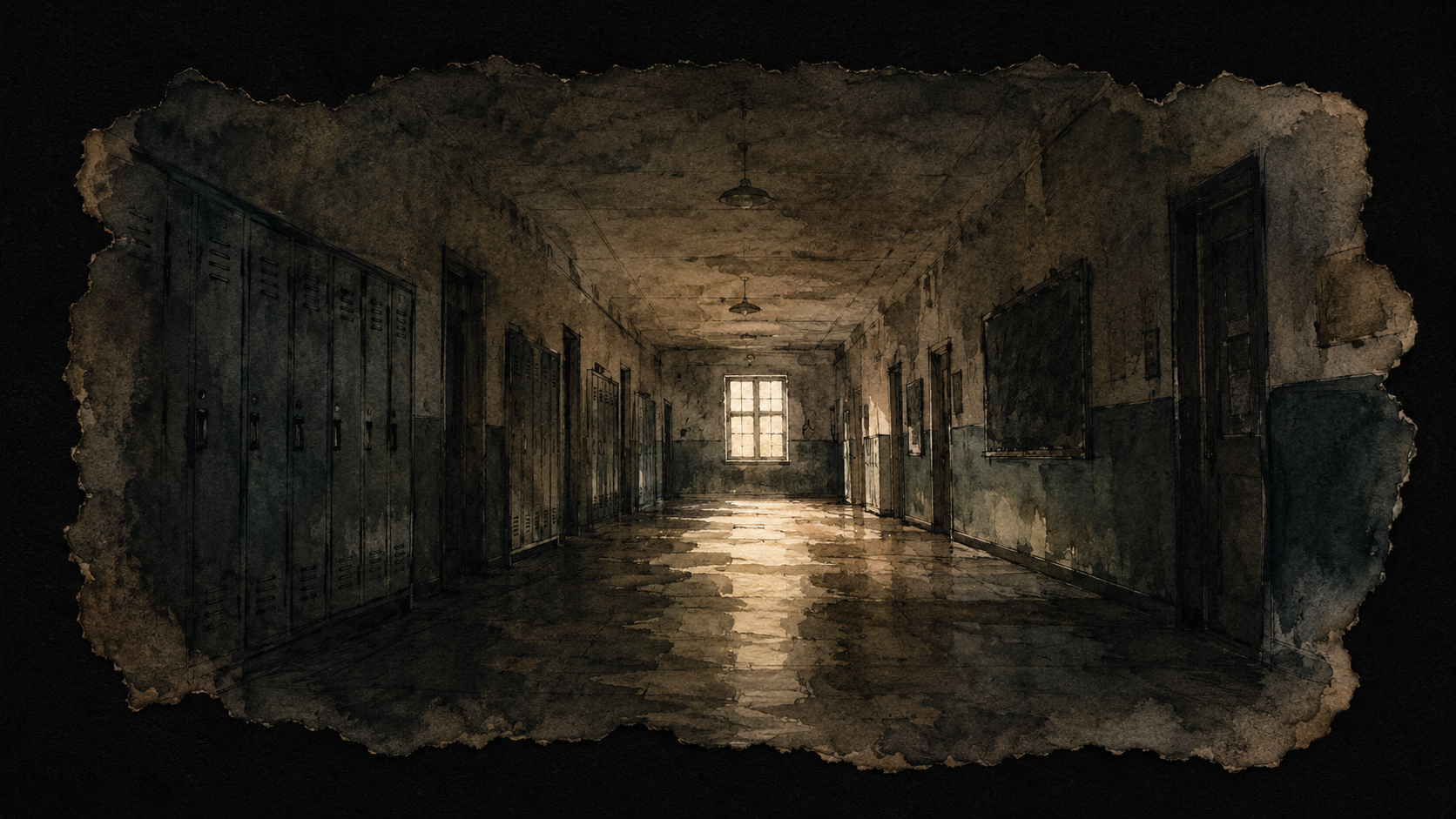 The school setting became a lasting symbol throughout the series.
Why the World Couldn’t Stop Watching
The Glory did not just succeed in Korea. Part 2 was Netflix’s most-viewed title worldwide during its debut week, pulling in 124.46 million hours viewed, and The Glory held the No. 1 spot on Netflix’s global Non-English TV chart for three consecutive weeks. By late March 2023, it ranked No. 6 on Netflix’s then-current all-time Most Popular Non-English TV list, with 413.05 million total hours viewed.
Domestically, the show also sparked real conversations about school violence. Kim Eun-sook has said she researched real Korean school-bullying incidents while writing the series and incorporated elements from some of those cases into the fictional story. That mix of fiction and real-world weight is part of why the show resonated so strongly, both inside Korea and far beyond it.
Meet the Cast and Creators
Kim Eun-sook (Writer) is one of the most successful screenwriters in Korean television, previously known for warmer hits like Descendants of the Sun, Goblin, and Mr. Sunshine. The Glory was a deliberate departure — darker, slower, and far more painful. Kim has said the idea grew out of a question her teenage daughter once asked her: whether it would hurt more to beat someone nearly to death, or to be beaten nearly to death yourself. That question became the seed for Dong-eun’s story, and Kim studied real Korean school-bullying cases while writing it. She does not keep a public social media account.
Ahn Gil-ho (Director) brought his experience from tense, atmospheric dramas like Stranger and Memories of the Alhambra. His preference for quiet tension over loud, dramatic beats suited a revenge plan built slowly across nearly two decades. Ahn’s camera lingers on scenes a faster-paced drama would cut after a few seconds — long enough for the audience to sit in Dong-eun’s stillness rather than have her explain what she is feeling. That patience is a directing choice as much as a writing one, and it is a large part of why the show reads as cold and controlled rather than melodramatic, even with subject matter (bullying, trauma, revenge) that could easily tip into exaggeration in less careful hands. Fans have often noted that pairing Kim’s writing with Ahn’s direction gave The Glory a completely different feel from Kim’s earlier, more romantic work. He also does not keep a public social media account.
Song Hye-kyo as Moon Dong-eun. For roughly two decades before this role, Song had built a career on warmth — the kind of leading lady Korean audiences associated with gentleness, tears, and quiet devotion. Moon Dong-eun asked her to strip nearly all of that away: flat affect, careful stillness, a face that reveals almost nothing until the story chooses to let it. It is hard to overstate how big a swing that was, and it reopened her career to a completely different kind of role going forward. Instagram @kyo1122
Lee Do-hyun as Joo Yeo-jeong. The doctor who becomes Dong-eun’s closest ally, and eventually much more. Lee had already built a strong reputation through Sweet Home and Youth of May before this role expanded his range further, and he has continued building a leading-man résumé across both film and television in the years since. Instagram @ldh_sky
Lim Ji-yeon as Park Yeon-jin. The show’s central villain. Lim already had a solid acting career, including an award-winning film debut in Obsessed and a supporting role in Money Heist: Korea, but The Glory became her major international breakthrough. Playing a character audiences are supposed to despise is a difficult balancing act — too cartoonish and nobody takes the threat seriously, too subtle and the cruelty does not land. Lim found the middle ground, and her performance earned her a Best Supporting Actress win at the 59th Baeksang Arts Awards, the same ceremony where Song Hye-kyo won Best Actress for this same show — the two lead performances recognized together at Korean television’s biggest awards night. She went on to lead further high-profile projects on the strength of the reception. Instagram @limjjy2
Jung Sung-il as Ha Do-yeong. Yeon-jin’s husband, whose slow realization of the truth about his wife becomes one of the story’s quieter, more emotional threads. Instagram @ygmicael
Park Sung-hoon as Jeon Jae-jun. One of Dong-eun’s former bullies. His portrayal of a wealthy, spoiled man slowly losing control of his own life became one of the most talked-about performances in the supporting cast — memorable enough that he followed it with a role in Squid Game Season 2, jumping from one of Netflix’s biggest Korean hits straight into another. Instagram @boxabum
Yeom Hye-ran as Kang Hyeon-nam. A woman trapped in an abusive marriage who becomes an unlikely ally to Dong-eun. Yeom is a respected veteran actress whose performance added real emotional weight to one of the show’s most grounded storylines.
The Glory did not rely on just one strong performance — it needed an entire ensemble willing to play deeply unlikable, morally complicated characters and make them feel real. From Song Hye-kyo’s icy control to Lim Ji-yeon’s chilling charm, that combination of a bold script, patient direction, and a fearless cast is exactly why the show became a global phenomenon.
Why the Casting Worked
Revenge dramas live or die on one thing: does the audience actually believe the people inside the plan? Casting an actress known for warmth as the coldest character on Korean television that year was a risk precisely because it worked against type — but that mismatch is exactly what made Dong-eun’s stillness read as earned rather than written. Pairing her against Lim Ji-yeon, an actress with far less built-in audience goodwill to lose, let Park Yeon-jin be genuinely, uncomplicatedly hateable without the show needing to soften her for the sake of a familiar face. That contrast — a beloved actress playing ice, an equally skilled but less iconic actress playing fire — is a big part of why the two performances landed as a pair rather than competing for the same spotlight.
Final Thoughts
The Glory works because it never treats revenge as simple or easy. Every step of Dong-eun’s plan costs her something. By the time the credits roll, the show has made its point: surviving abuse and getting justice for it are two very different things, and healing from either one takes far longer than any single act of revenge ever could.
Curious about other dark, twisty K-dramas with unforgettable endings? Check out our full breakdown of Squid Game Season 1 or our deep dive walk through My Mister.
Rating: 9.1 / 10
A personal note from the Editor. What stuck with me most wasn’t the revenge itself, but how long the show made Dong-eun wait for it. It’s a reminder that real healing rarely happens on anyone else’s schedule.